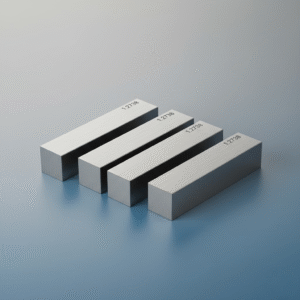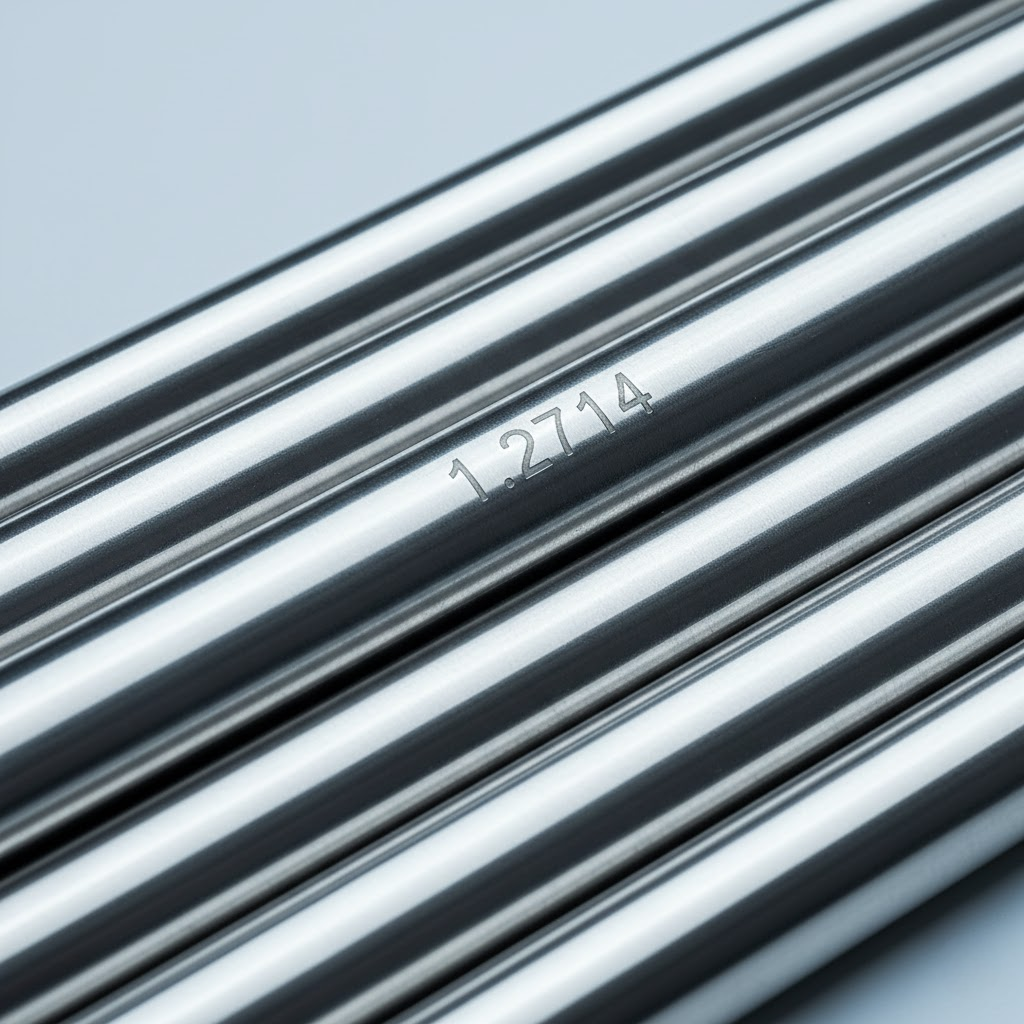
1.2714 steel is a high strength tool steel developed for tooling that operates under heavy thermal and mechanical loads. Also known as DIN 1.2714 or 55NiCrMoV7 steel, it offers excellent toughness and deep hardenability for large section moulds and hot work tools.
This tool steel material delivers consistent performance where impact resistance and crack resistance are critical. As part of our ferrous material range, Best Metal Steel Trading LLC supports demanding tool and die applications as trusted 1.2714 Tool Steel suppliers, serving clients in Sharjah, Abu Dhabi, Dubai, Riyadh, Jeddah, and Muscat.
Key Performance Advantages
- High toughness and impact strength for heavy duty tooling
- Excellent through hardening capability in large cross sections
- Strong resistance to thermal fatigue and cracking
- Suitable for hot work dies, forging tools, and large mould blocks
- Proven performance in demanding tool and die steel environments