


Choosing between ferrous vs non ferrous metals is a critical decision that determines the durability and success of any industrial or construction project. In the metal industry, professionals categorize materials based on their iron content. Therefore, understanding the distinct properties of each type ensures you select a metal that performs reliably under specific environmental conditions.
The primary difference lies in composition: ferrous metals contain iron, whereas non ferrous metals do not. Consequently, this simple chemical distinction affects everything from magnetic properties to corrosion resistance. In this guide, we will explore the strengths and applications of both categories to help you make an informed choice for your next venture.
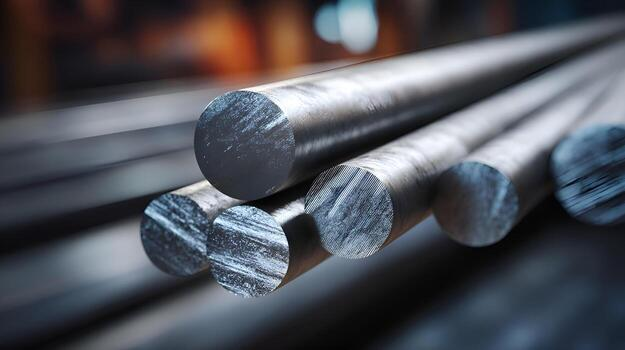
Ferrous metals are prized for their high tensile strength and incredible durability. Because they contain a high percentage of iron, industries typically use them for large scale structural projects. Moreover, most ferrous metals exhibit magnetic properties, which makes them useful for electrical and motor applications.
Common examples include:
- Carbon Steel: Builders use this for skyscrapers and bridges due to its immense strength.
- Alloy Steel: Manufacturers add elements like chromium or manganese to improve toughness.
- Cast Iron: Known for its wear resistance, this material is ideal for engine blocks and heavy machinery.
Advantages of Ferrous Metals:
- They offer exceptional strength, making them the standard for load bearing structures.
- Most ferrous materials are highly recyclable, which helps reduce environmental impact.
- They are generally more cost effective than their non ferrous counterparts for large scale projects.
Limitations:
- Due to their iron content, these metals are prone to rust when you expose them to moisture.
- To prevent corrosion, professionals must apply protective coatings or paints.
What Are Non-Ferrous Metals?
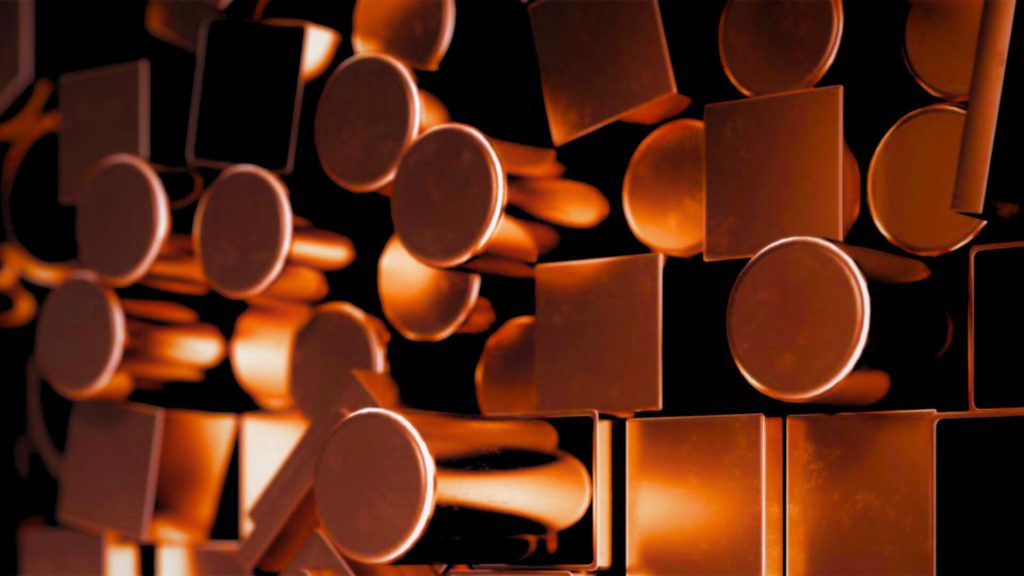
Unlike their ferrous counterparts, non-ferrous metals do not contain iron. This unique characteristic makes them naturally resistant to rust and corrosion. Furthermore, these metals are usually lighter and offer superior thermal and electrical conductivity. Because they lack magnetic properties, they are essential for sensitive electronic equipment.
Commonly used non-ferrous materials include:
- Aluminum: This lightweight metal is vital for the aerospace and automotive industries.
- Copper: Highly conductive and ductile, copper remains the top choice for electrical wiring.
- Brass: A combination of copper and zinc, brass is often used for decorative fixtures and musical instruments.
- Bronze: Often used as a coating (galvanization) to protect other metals from corrosion.
Advantages of Non-Ferrous Metals:
- They provide excellent resistance to atmospheric corrosion.
- Their lightweight nature makes them easier to fabricate and transport.
- These metals are non magnetic, which is vital for many specialized electronic applications.
Limitations:
- Non ferrous metals generally cost more per ton than ferrous metals.
- In some cases, they may not offer the same level of extreme tensile strength required for massive structural frames.
How to Decide Which Metal Fits Your Project?
Selecting the right material requires a careful analysis of your project’s environment and goals. Consider these five factors before making a purchase:
- Application Requirements: Do you need high tensile strength or flexibility?
- Budget Constraints: Ferrous metals are generally more budget friendly for heavy duty builds.
- Environment: If the project is outdoors or near the sea, non-ferrous metals offer better longevity.
- Weight Factor: For aerospace or automotive parts, the lightweight nature of aluminum is often necessary.
- Conductivity: Copper is the standard choice if your project requires efficient heat or electrical transfer.
High Quality Metals from Silver Metals
At Silver Metal Trading LLC, we provide a comprehensive range of materials to meet every industrial need. Whether you require heavy duty steel or specialized aluminum, our global sourcing network ensures you receive the highest quality materials. Our product range includes:
Ferrous Metals:
Non Ferrous Metals:
Engineering Plastics:
Making the Right Metal Choice for Your Project
Selecting between ferrous vs non ferrous metals is about more than just checking a price tag; it is about ensuring the longevity and safety of your project. While ferrous metals provide the raw strength needed for infrastructure, non ferrous metals offer the specialized resistance and conductivity required for modern technology.
By understanding these differences, you can optimize your material costs and improve your project’s performance. If you need further assistance, the experts at Silver Metal Trading LLC are always available to provide technical guidance and help you source the perfect material for your specific requirements.