


Selecting the right Tool Steel and Die Steel is vital for industrial efficiency and tool longevity across the UAE and Saudi Arabia. In these competitive markets, manufacturers rely on high grade materials that offer extreme hardness and resistance to wear. Choosing the correct grade remains a critical step for project success in the GCC region. These specialized steels ensure that industrial tools can withstand high thermal stress and heavy impact.
Difference Between Tool Steel and Die Steel
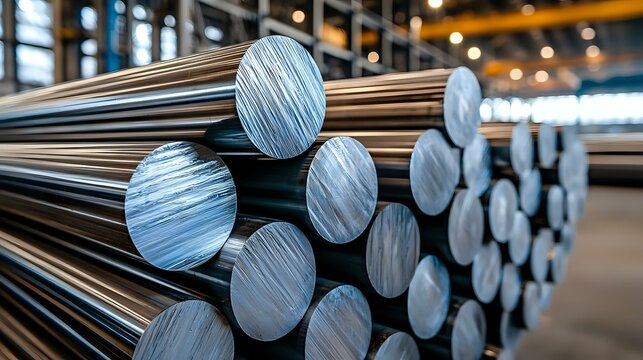
Many people group these materials together, but they serve different industrial purposes. Tool steel is primarily designed for cutting and machining tasks. Engineers use high carbon alloys to manufacture hand tools and drill bits. Its main strength lies in retaining a sharp edge during heavy use.
In contrast, die steel withstands high pressure and constant thermal cycling. Manufacturers in the metal industries in UAE use it to create molds (dies). These dies shape other materials like molten metal or plastics. Die steel focuses on toughness and resistance to cracking under heavy impact.
Key Classifications and Grades in Tool and Die Steel
To select the right material, buyers must understand the specific grades available in the GCC. Here is how different grades link to their relevant products:
1. Cold Work Tool Steel (D-Series):
Industries use grades like D2 and D3 for applications at lower temperatures. These grades offer high wear resistance for stamping and shearing tasks. They are the ideal choice for manufacturing industrial knives, shear blades, and blanking dies in Saudi Arabia.
2. Hot Work Die Steel (H-Series):
This series, including H11 and H13, stays hard without losing strength at high temperatures. It is crucial for processes like die casting, hot forging, and extrusion tools. Many industrial projects in Oman rely on these grades for heavy duty production.
3. Plastic Mold Steel (P-Series):
Grades like P20 and 1.2311 are designed specifically for molding plastics. These steels provide a high polished finish and excellent machinability. They are essential for plastic manufacturers in the UAE producing injection molds and automotive parts.
Sourcing High Quality Alloys in the GCC
Finding specific grades of tool and die steel can be difficult due to limited local stock. Unlike standard construction steel, these are specialized ferrous metals that require precise chemical compositions. Working with an experienced metal trading company in UAE is the best way to ensure quality. Reliable traders maintain a robust inventory of round bars and flat blocks. This ensures that factories in Oman and Saudi Arabia receive the exact grades needed for their machinery.
Why Material Selection Matters
Selecting the wrong grade results in premature tool failure or poor surface finishes. Using a cold work grade for hot forging tasks, for example, causes immediate cracking. Expert advice on various industrial metal properties helps you avoid these costly mistakes. This ensures you receive a material that balances cost with high durability for your specific machinery needs.
Optimizing Production in the Middle East
Success in manufacturing depends on matching the steel grade to your unique application. Whether your project in the GCC requires the wear resistance of cold work alloys or the thermal durability of hot work grades, your choice dictates tool life.
Industry leaders in the UAE prioritize quality over low cost to prevent downtime. By partnering with a knowledgeable industrial metal supplier, you secure certified materials. This strategic sourcing supports the growth of metal manufacturing companies in UAE and across the region.