



In the modern industrial world, engineering plastic manufacturing is now recognized as a vital strategy for achieving long term cost efficiency and operational success. While traditional ferrous andnon ferrousmetals were the industry standard for decades, the market is shifting toward advanced polymer solutions. Consequently, engineers and procurement teams increasingly select smarter material alternatives, making a plastic manufacturing company the first choice for many high performance projects.
Today, businesses are not only comparing metal grades, but also evaluating total ownership cost, maintenance expenses, energy consumption, and product lifespan. This is where engineering plastic manufacturing delivers measurable economic value.
Engineering Plastic Manufacturing and Its Impact on Industrial Performance
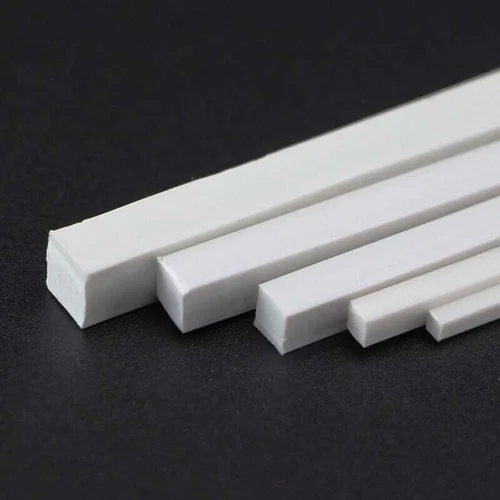
Engineering plastic manufacturing provides a unique combination of strength, flexibility, and lightweight properties that traditional ferrous material often lacks. For instance, materials likenylon plastic are incredibly durable while remaining significantly lighter than iron bars, copper bars, or many steel components.
Because of this lower weight, machines require less energy to operate. Over time, this reduction in power consumption translates into lower operating costs and improved productivity.
Many industries still rely on a stainless steel supplier for structural applications. However, when it comes to moving parts, sliding surfaces, and precision components, high performance plastics often offer superior chemical resistance and lower friction than standard steel and metal supply options. This leads to smoother operation, reduced wear, and fewer breakdowns.
Why Engineering Plastic Manufacturing Matters for High Performance Applications
Engineering plastic manufacturing contributes to cost efficiency in several important ways:
- Lower Material Waste: Plastics can be molded or machined with minimal scrap compared to many metal manufacturing processes.
- Reduced Maintenance Costs: Plastic components resist corrosion, rust, and chemical attack, minimizing repair and replacement expenses.
- Longer Service Life: High grade polymers maintain performance in demanding environments, reducing downtime.
- Energy Savings: Lightweight materials place less load on machinery, improving efficiency.
These factors together reduce the total cost of ownership compared to many traditional metal solutions.
Cost Efficiency in the Middle East Industrial Context
The Gulf industrial sector is changing very fast. Specifically, metal engineering Oman now utilizes high grade polymers more than ever before for industrial applications. Similarly, there is growing demand for materials that can survive harsh weather conditions across metal industries in UAE.
Furthermore, many metal manufacturing companies in UAE are now diversifying their product lines. They provide engineering plastics alongside their traditional steel and metal supply. Because of this, these plastics perform exceptionally well in the extreme heat of the region. In contrast to some metals, they do not suffer from thermal stress.
Role of Engineering Plastics Manufacturers in Modern Industry
Many businesses in Saudi Arabia rely on specialized suppliers for their structural steel needs. For internal gears and precision parts, engineering plastics often provide a superior alternative. These polymers are much lighter and more cost effective than traditional metal manufacturing.
Furthermore, many metal manufacturing companies in UAE are diversifying their product portfolios. By offering engineering plastics alongside their services as stainless steel suppliers in UAE, these companies meet wider customer needs. Engineering plastics perform exceptionally well in extreme heat and dusty environments. Unlike some metals, they do not suffer from thermal stress or surface oxidation, making them a reliable option for long term use.
For many metal trading companies in UAE, adding engineering plastics has become a strategic business decision that improves competitiveness and profit margins.
Engineering Plastics vs Traditional Metals
The debate is not just about carbon steel vs stainless steel. It is about choosing the best material for the specific application.
Metals remain essential for heavy load bearing structures. However, engineering plastic manufacturing provides clear advantages for:
- Bearings and bushings
- Gears and rollers
- Wear pads and guides
- Insulating components
In these applications, plastics are lighter, quieter, and often more cost effective than metal manufacturing.
Conclusion: The Strategic Shift Toward Cost Efficient Materials
Advanced engineering plastic manufacturing provides better performance and significant cost savings. The metal industries in UAE continue to innovate, and the synergy between ferrous metals and advanced plastics is shaping the future of industrial manufacturing.
By selecting the right material for each application, businesses achieve improved durability, reduced operating costs, and long term sustainability.